
Tips for Reducing Travel Costs: Strategies for Budget-Friendly Trips
can be an enriching experience, but high costs can often deter even the most adventurous souls. Several practical strategies can significantly reduce travel expenses, making it possible for anyone to explore new destinations without breaking the bank. By being mindful of timing, accommodation choices, and daily spending, travelers can maximize their budget and enjoy more destinations.
Many travelers miss out on savings by not planning. Booking flights and accommodations during off-peak times often yields the best deals. Additionally, exploring alternative lodging options such as hostels or vacation rentals can further lower costs while providing unique experiences.
Dining and entertainment are also key areas for potential savings. Embracing local eateries over tourist hotspots can offer authentic culinary experiences for less. By adopting a few smart money-saving habits, travelers can stretch their budgets further and enjoy their journeys even more.
Setting Up Your Travel Budget
Setting a travel budget is essential for managing expenses effectively. It allows travelers to allocate funds appropriately and avoid overspending.
Start with a total budget. Determine how much money is available for the trip. This total will guide all planning decisions.
Itemize expected expenses:
- Transportation: Airfare, train fares, car rentals, gas, etc.
- Accommodation: Hotels, hostels, or other lodging options.
- Food: Daily meals and snacks.
- Activities: Tours, entrance fees, and entertainment.
- Miscellaneous: Souvenirs, tips, and unexpected costs.
Creating a list helps visualize expenses. It’s crucial to book in advance to secure lower rates on accommodations and flights. This often leads to significant savings. Track spending during the trip. Regular monitoring ensures that one stays within budget. Use budgeting apps or a simple spreadsheet for this purpose.
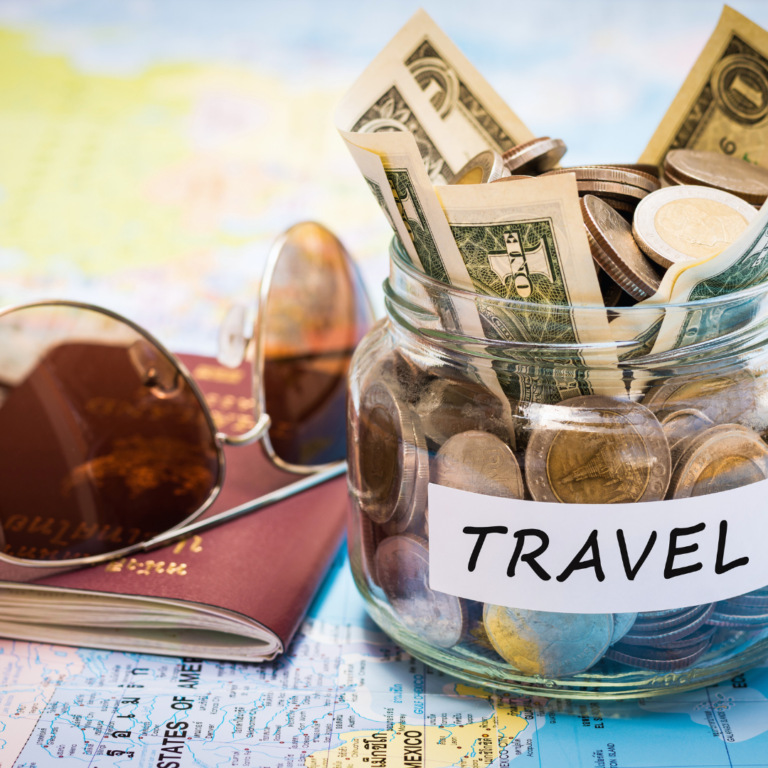
Consider setting aside a travel fund. This dedicated savings account allows for the gradual accumulation of money for future trips. Even small contributions can lead to substantial savings over time. By following these steps, travelers can establish a clear and practical travel budget that suits their financial situation.
Finding Affordable Accommodations
Travelers can significantly cut costs by selecting budget-friendly lodging options. Exploring hostels and alternative accommodations can offer substantial savings while maintaining comfort. Using price comparison websites allows for informed choices and competitive rates.
Explore Hostels and Alternative Lodging
Hostels provide economical lodging options that appeal to budget-conscious travelers. They often feature shared rooms or dormitory-style setups. This arrangement not only reduces costs but also fosters social interactions.
Alternative accommodations include options like Airbnb and vacation rentals. These choices can cater to families or groups, often at lower prices than hotels. Search for properties that offer kitchen facilities, enabling travelers to prepare meals and save on dining expenses.
Another budget-friendly option is couchsurfing. This platform connects travelers with locals willing to offer free lodging. While it comes with certain risks, it allows for unique cultural exchanges and often provides insider tips about the destination.
Utilize Booking Platforms and Price Comparison
Booking platforms play a crucial role in securing affordable accommodations. Websites such as Booking.com, Expedia, and Hotels.com allow users to compare prices and features. Price comparison websites help travelers find the best deals available. They compile information from multiple sources, ensuring users can evaluate a variety of options at a glance. This enables users to filter results based on price, location, and amenities.
Travelers should also consider adjusting their booking dates. Prices can vary significantly depending on seasonality and local events. Flexibility can lead to better deals. Lastly, signing up for newsletters from booking sites often provides access to exclusive discounts or deals. This small step can yield financial benefits for those looking for affordable accommodations.
Smart Transportation Choices
Making informed transportation choices can significantly lower travel expenses. By utilizing public transportation, rideshare options, and budget airlines, travelers can navigate destinations efficiently without overspending.
Leverage Public Transportation and Rideshares
Using public transportation is often cost-effective and convenient. Many cities offer reliable bus, subway, and tram systems that can take travelers to major attractions at a fraction of the cost of taxis or rental cars. For example, a metro pass may provide unlimited rides for a set period, offering excellent value.
Rideshare services, like Uber or Lyft, can be useful for short distances or when public options are limited. Travelers can save on costs by carpooling options, which allows for split fares with other passengers. Researching local transportation apps before travel can ease transitions and save time.
Consider Budget Airlines and Off-Peak Travel
Budget airlines provide essential savings for those willing to forego some comforts. They often feature lower fares, especially during promotions or if booked well in advance. Travelers should be aware of additional fees related to luggage, seat selection, and in-flight services that can add up.
Traveling during the shoulder season can also lead to significant savings. This period, situated between the peak and off-peak seasons, typically offers lower fares and fewer crowds. To streamline airport experiences, travelers may consider options like Global Entry or TSA PreCheck for quicker processing. Having a local SIM card can facilitate navigation and communication, enhancing the overall travel experience.
Immersive and Economical Eating
Eating can be both an enjoyable and cost-effective part of traveling. By preparing meals and choosing local dishes, travelers can not only save money but also engage more deeply with their destination’s culture.
Cook Your Meals
Cooking meals during a trip can significantly reduce dining expenses. Many accommodations now offer kitchen facilities. Travelers can take advantage of these amenities for meal preparation. Meal planning is crucial. Creating a shopping list before visiting local markets helps avoid impulse buys. Focus on local ingredients to create dishes that reflect the region’s flavors.
Moreover, cooking allows individuals to experiment with authentic recipes. This culinary experience can be rewarding and, often, more satisfying than eating out. It offers a unique opportunity to immerse oneself in local food culture.
Embrace Local Cuisine
Eating like a local enhances the travel experience. Instead of visiting tourist-heavy eateries, seeking out hidden gems can lead to discovering delicious, authentic meals often at lower prices. Street food markets and small family-run restaurants frequently offer local fare that embodies regional specialties. Trying traditional dishes helps to understand the culture better.
Additionally, joining local food tours or cooking classes can provide insights into local culinary practices. These experiences are enjoyable and foster connections with local communities, enriching the overall travel experience while keeping costs manageable.