
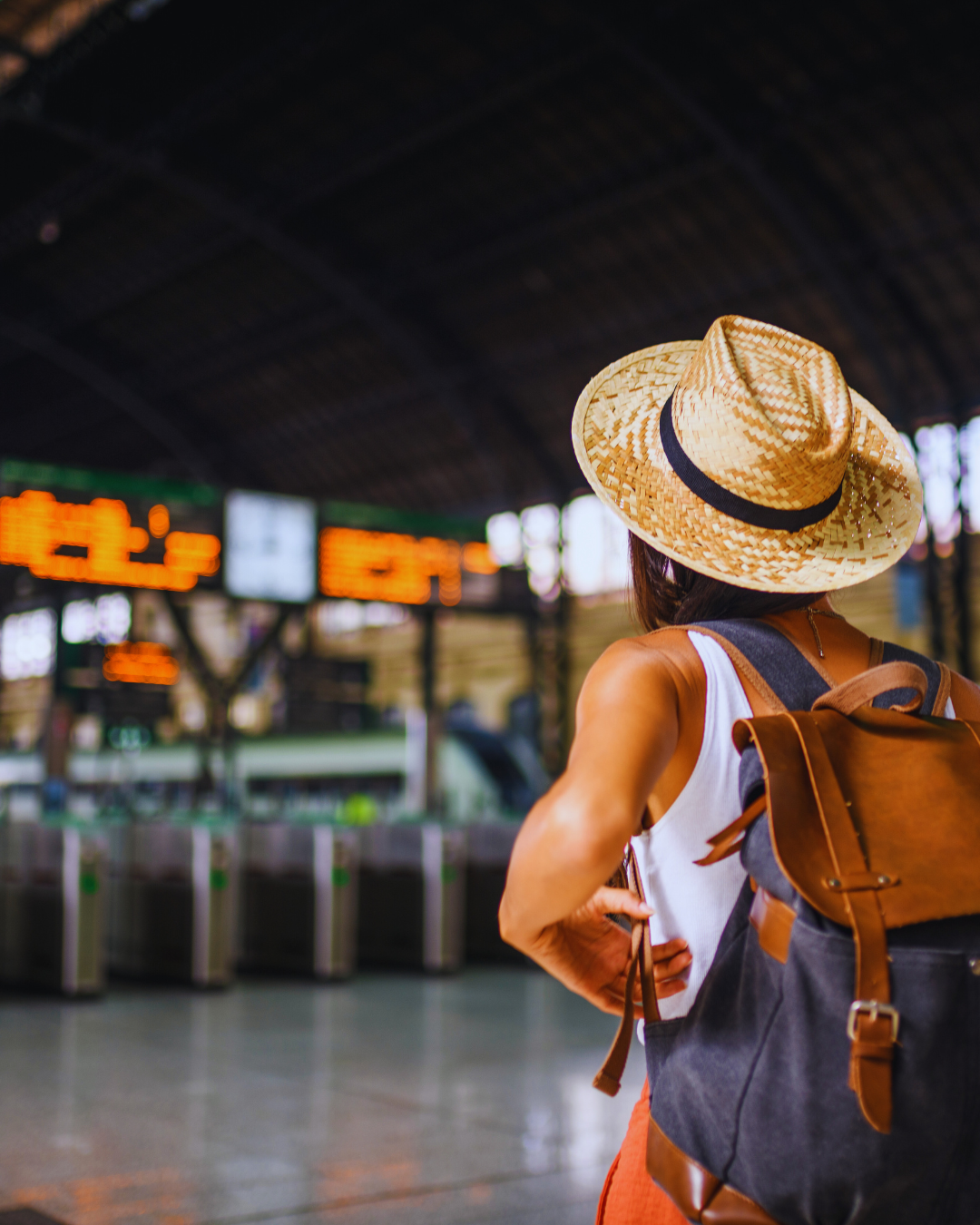
How to Stay Safe While Traveling Solo: Essential Tips for Solo Adventurers
Traveling alone can be an enriching experience, offering freedom and the opportunity to discover new places at one’s own pace. To stay safe while traveling solo, a traveler should prioritize preparation and awareness of their surroundings. Whether exploring bustling cities or serene landscapes, staying informed can make all the difference in ensuring a rewarding solo adventure.
When embarking on a journey alone, solo travelers need to choose accommodations wisely, seek local information, and maintain communication with friends or family. Familiarity with local customs and practices also enhances safety and enriches travel experiences. By being vigilant and making informed choices, individuals can enjoy the unique benefits of solo travel while minimizing risks.
Ultimately, solo traveling offers unmatched freedom, but it requires careful navigation of potential challenges. With the right precautions, any traveler can embrace the joys of independence while securing their well-being.
Planning Your Solo Journey
Planning a solo journey requires careful attention to detail. Informed decisions about destination research, itinerary management, and accommodations contribute significantly to safety and enjoyment.
Research Your Destination Thoroughly
Thoroughly researching a destination is crucial for solo travelers. They should gather information about local customs, cultural norms, and safety concerns. Understanding basic phrases in the local language can enhance interactions and help blend in with the surroundings.
Travel advisories from government websites provide essential insights into safety risks and recommended precautions. It’s wise to familiarize oneself with local transportation options, emergency contacts, and health facilities. This preparation allows travelers to navigate challenges more effectively. Legal issues are another type of risk that travelers may face in unfamiliar places. If a visitor gets into trouble with the law, they would need professional help from a phoenix criminal lawyer or someone of similar caliber from elsewhere, to navigate the local court system. Laws change from one city to the next, and what is a minor issue in one place may be more serious in another. Having a plan for legal help is just as important as knowing where the nearest hospital is. This step helps protect a person’s record and their ability to travel in the future.
Additionally, reviewing online forums, blogs, and travel guides can provide firsthand accounts from other solo travelers. These perspectives offer valuable tips and highlight potential pitfalls.
Manage Your Travel Itinerary and Documents
Creating a detailed travel itinerary is essential for solo travelers. They should outline daily plans, including sightseeing, dining, and transport arrangements. This organization aids in time management and enhances the overall travel experience.
It’s important to share this itinerary with someone back home. This practice ensures that someone knows their whereabouts in case of emergencies. Keeping digital and physical copies of important documents, such as passports, tickets, and insurance information, is critical. Storing these copies securely can mitigate stress if originals are lost or stolen. In addition, travelers should check for necessary visas and travel permits before departing. Being aware of entry requirements helps avoid last-minute complications.
Choose Secure Accommodations
Selecting secure accommodations is a fundamental aspect of solo travel safety. Solo travelers should opt for well-reviewed hotels, hostels, or guesthouses in safe neighborhoods. Checking sites that provide genuine guest reviews can help make informed decisions.
When booking, travelers should look for amenities such as 24-hour reception, secure locks, and in-room safes. It’s wise to inquire about security measures, such as surveillance cameras and staff availability.
Once in their accommodation, travelers should always lock their doors and use safety boxes for valuables. Building rapport with hotel staff can also enhance security, as they may provide additional safety tips relevant to the area. By prioritizing research, documentation, and secure lodging, solo travelers can significantly increase their safety and make the most of their adventurous journey.
Safety and Security Measures
Prioritizing safety is essential for solo travelers. Taking proactive steps can significantly enhance personal security and minimize risks during the journey. Here are key practices to adopt.
Stay Aware of Your Surroundings
Being aware of the environment is crucial for personal safety. Travelers should regularly scan their surroundings for any unusual activity or potential threats. Keeping headphones off allows for better auditory awareness.
Using safety apps can enhance vigilance. Apps like “Find My Friends” can help loved ones track locations. Furthermore, trusting instincts are vital; if something feels off, it’s essential to leave the area promptly. Avoiding distractions such as excessive phone use while walking contributes to overall awareness. Staying in populated areas and engaging with fellow travelers can also enhance security.
Adopt Safety Tips for Solo Travelers
There are numerous strategies solo travelers can implement for safety. Dressing appropriately for the destination helps blend in with locals, reducing the likelihood of attracting unwanted attention. Adopting a strong posture and walking confidently portrays assurance. It is also wise to avoid walking alone at night. If nighttime outings are necessary, using well-lit routes and keeping emergency contacts informed is important. Carrying a personal safety alarm or whistle can deter potential threats and attract attention if needed. These small tools can provide peace of mind in unfamiliar areas.
Protect Against Pickpocketing and Theft
To minimize the risk of pickpocketing, securing belongings is vital. Using pickpocket-proof clothing or money belts can keep valuables hidden and safe. He should be cautious in crowded areas where thieves often operate. Keeping bags zipped and close to the body reduces the chance of theft. Regularly checking pockets can reassure the traveler that items remain secure. Additionally, maintaining eye contact with potential threats can deter pickpockets, as they prefer easy targets. Being educated about local crime norms helps in avoiding risky situations. By combining awareness and practical security measures, solo travelers can protect themselves effectively.
Staying Connected
Maintaining communication while traveling solo is essential for safety. By keeping in touch with loved ones and utilizing travel safety apps, travelers can enhance their security and enjoy their journey with greater peace of mind.
Keep in Touch with Loved Ones
Regular communication with family and friends is crucial for a solo traveler. They should establish a routine for checking in, whether via text, phone calls, or video chats. Setting specific times for updates provides reassurance to both the traveler and their loved ones.
Travelers can create a list of emergency contacts to share with friends or family at home. This list should include local emergency services, the nearest embassy, and trusted contacts in the area. It’s also important to avoid over-sharing details about their location or travel plans on social media. While sharing experiences is enjoyable, maintaining privacy can prevent unwanted attention and enhance overall safety.
Use Travel Safety Apps
Travel safety apps are invaluable for solo adventurers. These applications offer features such as real-time location sharing, emergency alerts, and local safety information.
Popular travel safety apps include:
- Find My Friends: For sharing real-time locations with trusted individuals.
- SafeTrek: To notify authorities with a simple button press if feeling unsafe.
- Trip It: To store itineraries and share them with emergency contacts.
Travelers can set up automatic check-ins through these apps. If they fail to check in at a specified time, their contacts can be alerted to seek assistance. The effective use of technology can significantly enhance a solo traveler’s sense of safety and connection.
Emergency Preparedness
Being prepared for emergencies is crucial for any solo traveler. Having a plan and carrying essential safety items enhances confidence and ensures a swift response in unexpected situations.
Create an Emergency Plan
Solo travelers should outline a clear emergency plan before embarking on their journey. This plan should include emergency contacts, such as family members or close friends, who can be reached in case of distress.
It’s advisable to communicate travel itineraries with these contacts. Travelers can designate a code word for emergencies, ensuring discreet communication. Research local emergency numbers, including police and medical services. Understanding the language basics can help in urgent situations. Lastly, establishing meeting points and safe locations in unfamiliar areas can enhance personal safety.
Carry Essential Safety Items
Travelers must equip themselves with a set of essential safety items. A well-stocked first-aid kit is vital. It should contain band-aids, antiseptic wipes, pain relievers, and prescription medications. Additionally, carrying personal safety devices such as a whistle or a personal safety alarm can deter potential threats. These items are small, lightweight, and can easily fit in a bag or pocket.
Travel insurance provides a safety net for unforeseen events, covering emergencies like illness or theft. Having an insurance card ready can expedite assistance. These preparations can significantly reduce risk while traveling alone.


