
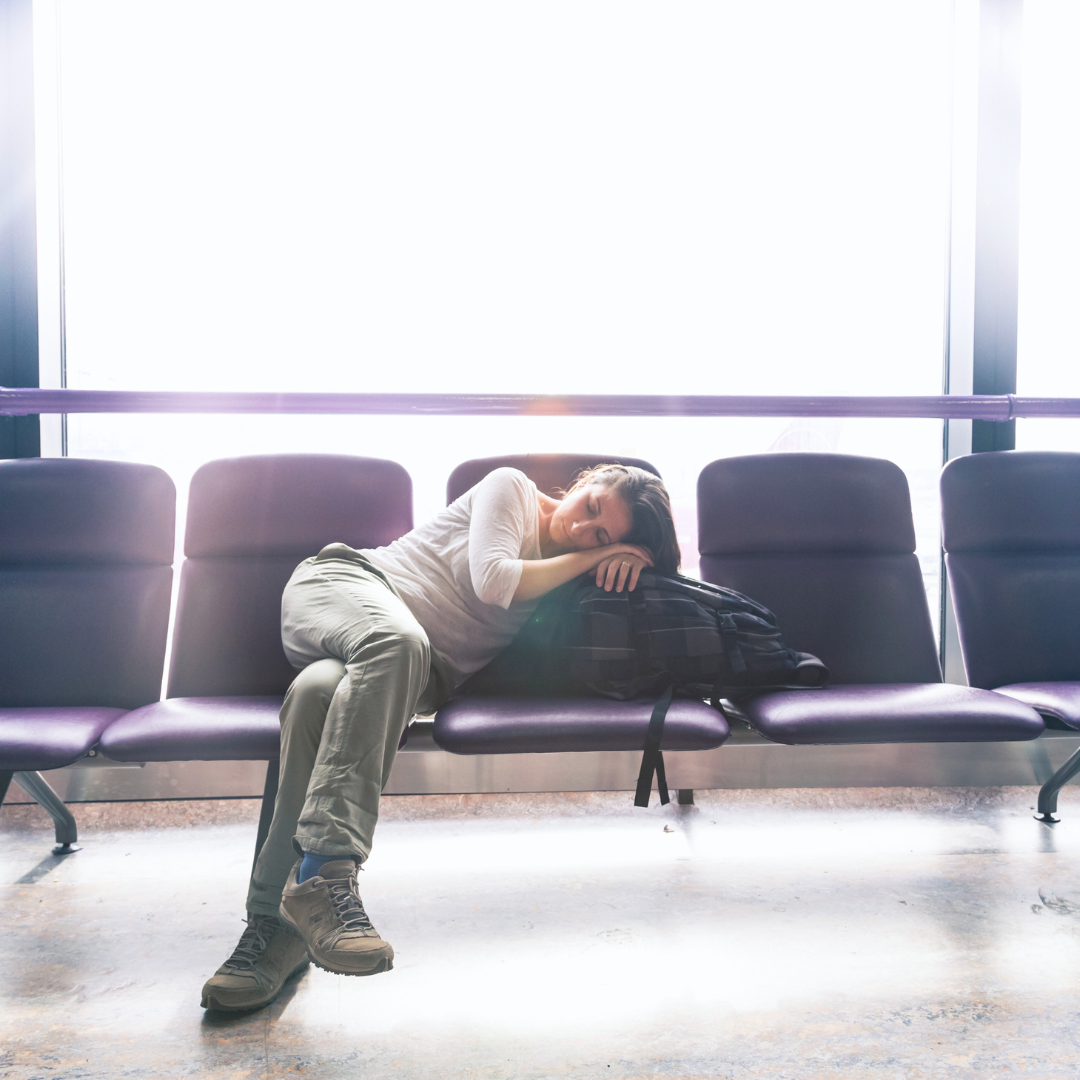
10 Ways to Overcome Jet Lag Effectively
Jet lag can significantly disrupt travel plans, leaving travelers feeling fatigued and disoriented. Crossing multiple time zones can throw off one’s circadian rhythm, impacting both mental clarity and physical well-being. By implementing targeted strategies to realign their internal clock, travelers can effectively mitigate the effects of jet lag and return to a normal sleep schedule more swiftly.
Understanding the nuances of jet lag is essential for frequent flyers. The body’s sleep schedule becomes misaligned with local time after a long journey, causing discomfort. Knowing how to adjust one’s routine before, during, and after travel can make a substantial difference in how one feels upon arrival.
This blog post explores ten practical ways to overcome jet lag, providing travelers with actionable tips that support a smoother transition between time zones. Armed with this knowledge, anyone can enhance their travel experience and minimize the grip of weariness that accompanies long flights.
Understanding Jet Lag and Its Causes
Jet lag occurs when the body’s internal clock, or circadian rhythm, is misaligned with the new time zone after travel. This misalignment can lead to various symptoms, including fatigue, sleep disturbances, and difficulty concentrating.
The Role of the Circadian Rhythm
The circadian rhythm regulates a person’s sleep-wake cycle, hormone release, and other bodily functions. It typically follows a 24-hour cycle influenced by light and darkness.
When traveling across time zones, the disruption of this cycle can result in a phase shift. For example, moving east usually advances the internal clock, while moving west delays it. This misalignment often causes symptoms of jet lag, such as insomnia, headaches, and irritability.
The body’s adaptation can take several days, depending on the distance traveled. It is often suggested that the body adjusts by about one hour per day for each time zone crossed.
Impact of Travel Across Time Zones
Traveling through multiple time zones challenges the body’s biological clock. Each time zone crossed can create a sense of disorientation and fatigue.
Jet lag symptoms vary based on individual sensitivity and the direction of travel. Eastward trips tend to cause more severe symptoms than westward journeys.
Common symptoms include:
- Difficulty sleeping
- Daytime fatigue
- Memory and concentration issues
Factors such as age, previous travel experiences, and individual health can also influence how a person experiences jet lag. Understanding these dynamics can help in managing and mitigating its effects.
Strategies for Prevention and Adjustment
To reduce the effects of jet lag, it is essential to implement proactive strategies focused on sleep, hydration, light exposure, and diet. These approaches can significantly ease the transition to a new time zone and enhance overall travel well-being.
Adjusting Your Sleep Schedule Before Travel
Shifting the sleep schedule can help adjust the body’s internal clock. They should start by going to bed and waking up an hour earlier or later, depending on the travel direction. This adjustment can begin several days before departure.
Incorporating short naps can also be beneficial. However, they should be limited to 20-30 minutes to avoid disrupting nighttime sleep. Using sleep aids like melatonin may assist in falling asleep at the desired time, particularly when used appropriately.
The Importance of Hydration
Staying hydrated is crucial when traveling. Dehydration can worsen the symptoms of jet lag. Travelers should drink water regularly before, during, and after the flight.
Avoiding caffeine and alcohol is advisable, as they can lead to dehydration. Instead, opting for light meals and hydrating foods can help sustain energy levels and keep the body balanced. Incorporating electrolyte-rich beverages may also prove beneficial.
Managing Light Exposure
Light exposure plays a vital role in regulating circadian rhythms. After arriving at a destination, they should seek natural light during the day to help reset their internal clock. If traveling east, exposure to morning light will be more beneficial, while evening light is preferable for westward travel.
Limiting blue light exposure from screens before bedtime can support better sleep. This adjustment helps facilitate the production of melatonin, promoting a smoother transition into the new time zone.
Dietary Considerations While Traveling
Food choices can impact energy levels and how the body adjusts. Travelers should focus on consuming light meals during flights to avoid feeling sluggish. Foods rich in complex carbohydrates can promote sleepiness and aid in adjusting to a new schedule.
Incorporating high-protein snacks can keep energy levels stable. Proteins help balance blood sugar levels, which can be essential when combating fatigue. It’s beneficial to avoid heavy meals close to bedtime, allowing the body to prepare for rest without digestive disturbances.
Effective Remedies and Coping Mechanisms
Jet lag affects sleep patterns and can disrupt daily activities. Various remedies and coping mechanisms can alleviate its symptoms, enhancing overall comfort during travel.
Utilizing Melatonin Supplements
Melatonin is a hormone that regulates sleep-wake cycles. For those experiencing jet lag, taking melatonin supplements can help reset the body’s internal clock. It is advisable to take melatonin about 30 minutes to an hour before the desired bedtime at the destination.
Typical dosages range from 0.5 mg to 5 mg. It’s essential for travelers to consult with a healthcare provider to determine the appropriate dosage. Adjusting the timing and dosage can maximize the effectiveness of melatonin as a sleep aid.
Additionally, melatonin can be particularly beneficial for long-haul flights crossing multiple time zones. It can promote restful sleep, which minimizes the effects of jet lag.
Establishing a Comfortable Sleep Environment
A conducive sleep environment promotes better rest and recovery from jet lag. Travelers should ensure the room is dark, quiet, and cool. Using earplugs and sleep masks can block out noise and light.
Investing in quality bedding and pillows can enhance comfort. A well-ventilated room will also contribute to better sleep quality.
Maintaining a consistent sleep schedule in the new time zone is crucial. Limiting exposure to screens before bedtime helps signal the body that it is time to rest, reinforcing healthy sleep patterns.
Exercise and Fresh Air
Regular physical activity can counteract the fatigue of jet lag. Engaging in light exercise, such as walking or stretching, helps increase energy levels. It also promotes better blood circulation, which can ease the feeling of sluggishness.
Spending time outdoors and breathing in fresh air is equally beneficial. Exposure to natural light helps regulate the body’s circadian rhythm.
Travelers are encouraged to incorporate exercise into their daily routines. Activities such as yoga or jogging can be particularly effective for improving mood and alleviating stress during travels.
Relaxation Techniques and Meditation
Relaxation techniques play a vital role in managing jet lag symptoms. Meditation and deep-breathing exercises can help reduce anxiety, making it easier to fall asleep.
Practicing mindfulness before bedtime encourages mental peace. Apps focusing on guided meditation can assist in establishing a calming pre-sleep routine.
Incorporating relaxation techniques into travel schedules can enhance overall well-being. This approach not only addresses jet lag but also fosters a more enjoyable travel experience.
Additional Tips for Minimizing Jet Lag
Implementing targeted strategies is essential for effectively minimizing jet lag. The following tips focus on smart scheduling, natural light exposure, and maintaining healthy sleep habits.
Schedule Smart: Plan for Time Zone Transition
A well-structured schedule can ease the adjustment to new time zones. It’s advisable to gradually shift sleep and meal times a few days before departure. This helps the body acclimate to the local bedtime at the destination.
During travel, it’s beneficial to stay awake based on the local time of the destination. By synchronizing activities with the new time zone, travelers can reduce fatigue. Stretching on the plane can also help mitigate discomfort and maintain alertness.
Setting a consistent wake-up time upon arrival reinforces the new schedule, minimizing sleep disruptions. This proactive approach to planning is crucial.
Seeking Natural Light During the Day
Natural light is vital for regulating the body’s internal clock. Exposure to sunlight during daylight hours helps signal to the brain that it’s time to be awake. Morning light can be particularly effective for those traveling east.
Taking walks or spending time outdoors after arrival can enhance mood and energy levels. This exposure is especially important for overcoming sleep deprivation and insomnia that may arise from long flights.
It’s recommended to avoid sunglasses for short periods to maximize light exposure. This approach boosts mood and supports mental health during the adjustment period.
Avoid Long Naps and Excessive Sleep Aids
Napping can be tempting, but long naps can disrupt nighttime sleep patterns. A brief nap of 20-30 minutes may help recharge energy levels without affecting the ability to fall asleep later.
Travelers should also be cautious with sleep aids. While they may seem helpful initially, reliance on medication can lead to sleep disturbances and dependency. Prioritizing natural sleep methods is more favorable for lasting health.
Maintaining a relaxed bedtime routine is essential. Activities such as reading or meditating can promote better sleep quality and help manage potential insomnia.


