
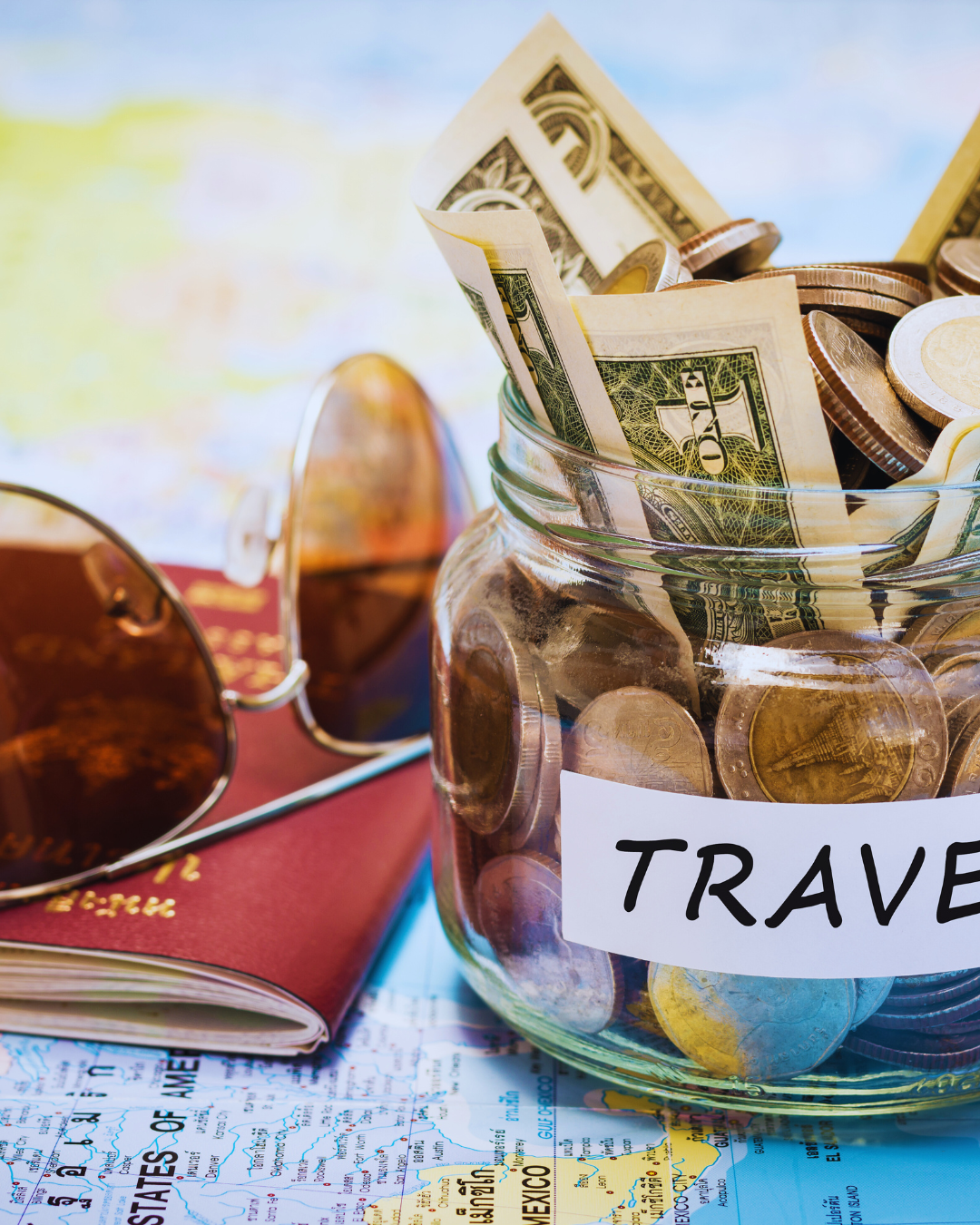
Managing Finances When Travelling: Essential Tips for Smart Budgeting and Expense Control
Traveling can be exhilarating, but unmanaged finances can quickly turn a dream trip into a financial nightmare. Establishing a clear budget before departure is essential to avoid unnecessary expenses and potential debt. With careful planning, travelers can enjoy their experiences without the pressure of overspending.
Effective financial management while traveling involves understanding currency exchange rates, using budgeting apps, and maintaining awareness of daily expenses. By keeping track of spending, one can make informed decisions and adapt their plans as needed.
Additionally, having a mix of payment options, such as cash and cards, can provide flexibility while also preventing potential financial pitfalls. Travelers can focus on creating memorable experiences when they have a solid financial strategy in place.
Establishing Your Travel Budget
Creating a travel budget is essential for managing finances while traveling. Effective financial planning and meticulous tracking of expenses ensure that travelers make the most of their resources without overspending.
Financial Planning Before Travelling
Before embarking on a trip, establishing a detailed travel budget is crucial. This includes researching the destination to estimate costs related to accommodation, meals, transportation, and activities.
Travelers should consider fixed costs (e.g., flights) and variable costs (e.g., daily expenses). A useful approach is to create a table listing each category:
| Expense Category | Estimated Cost |
| Flights | $XXX |
| Accommodation | $XXX |
| Meals | $XXX |
| Activities | $XXX |
| Transportation | $XXX |
| Miscellaneous | $XXX |
Additionally, building an emergency fund for unexpected expenses is wise. This fund provides security and flexibility during the trip, allowing for adjustments in case of unforeseen circumstances.
Tracking Travel Expenses
During the trip, consistent tracking of expenses helps maintain budget adherence. Utilizing apps or simple spreadsheets can effectively record daily spending.
Travelers should categorize expenses to identify overspending areas. For example:
- Meals: Keep receipts or a daily log.
- Accommodation: Record nightly rates and additional fees.
- Activities: Note entry fees and rentals.
Setting a daily spending limit based on the overall budget facilitates better financial decisions. If costs exceed the limit, adjustments can be made, such as choosing more economical dining options or free activities.
By actively managing expenses, travelers can ensure their financial resources last throughout the trip. This approach fosters a more enjoyable experience without the stress of financial constraints.
Understanding and Managing Currency
Managing currency effectively is crucial when traveling. Knowledge of currency conversion, exchange rates, and the use of ATMs and credit cards can lead to better financial decisions.
Currency Conversion and Exchange Rates
Before traveling, understanding the local currency and exchange rates is essential. Travelers should check current rates through reliable sources such as banks or currency converter apps. Rates can vastly differ based on where exchanges are made, such as airports, hotels, or local currency exchange offices. Travelers should be aware of currency conversion fees that may apply when exchanging money. These fees can quickly add up, decreasing the amount received. Being informed can aid in maximizing the travel budget.
It’s wise to avoid exchanging large amounts at once, as this can lead to unfavorable rates. A good practice is to exchange a small amount for immediate expenses, then monitor rates during the trip. A good approach is to carry only the amount of foreign cash needed for immediate use, especially in places where cards may not be accepted.
However, if any notes remain unspent after the trip, they don’t have to go to waste. This is because some services can make it possible to exchange legacy currency of Finland, or other such unused notes, offering a straightforward way to recover value from old banknotes. This can be especially helpful for those returning from longer trips or who have accumulated various currencies over time.
Using ATMs and Credit Cards Abroad
Using ATMs abroad can be an efficient way to access local currency. Travelers should research which ATMs are associated with their bank to minimize fees. Withdrawals made from foreign ATMs often incur fees, which can include foreign transaction fees and ATM operator fees.
Credit cards are commonly accepted in many locations, providing a convenient alternative to cash. However, travelers should be mindful of foreign transaction fees, which vary by credit card company. Some cards waive these fees, presenting significant savings.
Dynamic currency conversion is an option that allows travelers to see changes in their home currency when using credit cards. Although this may seem convenient, it often comes with unfavorable exchange rates and additional fees. Travelers are usually better off opting for transactions in the local currency to avoid these extra costs.
Safe Handling of Money While Travelling
Ensuring the safety of money while traveling is crucial for a smooth journey. The following strategies focus on preventing theft and loss while exploring alternative payment methods.
Protecting Against Theft and Loss
Travelers should carry cash in small amounts to minimize the impact of loss. Using a money belt or hidden pouch can protect cash and important documents. It’s also advisable to avoid displaying large amounts of money in public.
Travel insurance provides a safety net in case of theft or loss. Before travelling, individuals must notify their bank of their travel plans to avoid account freezes when using cards abroad. Utilizing two-factor authentication for online banking can enhance security, especially on public Wi-Fi networks.
To combat pickpocketing, travelers should stay aware of their surroundings. Keeping bags zipped and travelers vigilant can reduce the risk of theft. If cash is lost or stolen, having a backup plan in place, such as a secondary bank account or card, is wise.
Alternative Payment Methods
Using alternative payment methods can enhance security while travelling. Prepaid cards are a popular option. They can be loaded with a specific amount, reducing the risk of significant loss if stolen. Traveler’s checks provide a reliable way to carry funds without the risks associated with cash. They can be replaced if lost or stolen, making them a safe choice.
Moreover, many merchants and establishments now accept mobile payment systems, which can reduce the necessity for physical cash. Digital wallets offer convenience and lower transaction fees, making it easier to manage spending while traveling. Travelers seeking a secure and streamlined option can explore solutions like chase paze (or similar solutions from other providers). Such an option can allow users to load their cards directly for payments, ensuring both safety and efficiency during trips. Travelers must always verify transaction security by ensuring websites are secure and using trusted apps for mobile payments. This diligence can further safeguard financial information on the road.
Optimizing Travel Costs
Travelers can significantly cut expenses by focusing on accommodation choices and transportation methods. Efficient planning and utilizing available resources can enhance the travel experience while staying within budget.
Saving on Accommodation and Transportation
Choosing the right place to stay is crucial. Budget accommodations such as hostels, motels, or vacation rentals often offer affordability without compromising comfort. Websites like Airbnb can provide unique lodging options that might save money or provide added value.
For transportation, utilizing public transportation instead of taxis or rental cars drastically reduces costs. Many cities offer travel passes for unlimited rides, making it easy to explore without overspending. Booking tickets in advance often leads to lower prices, while researching free or low-cost transit options enhances the overall travel experience.
Leveraging Online Resources
The Internet is a valuable tool for optimizing travel costs. Websites and apps dedicated to budget travel can help find the best rates on flights, accommodations, and activities. Utilizing online banking features ensures that managing money while abroad remains straightforward.
Prepaid travel cards and alternative payment methods like digital wallets reduce the risk of currency exchange fees. These tools allow travelers to track spending in real-time. Furthermore, accessing reviews and comparisons online can lead to informed decisions, ensuring that every dollar spent contributes to a memorable journey.


