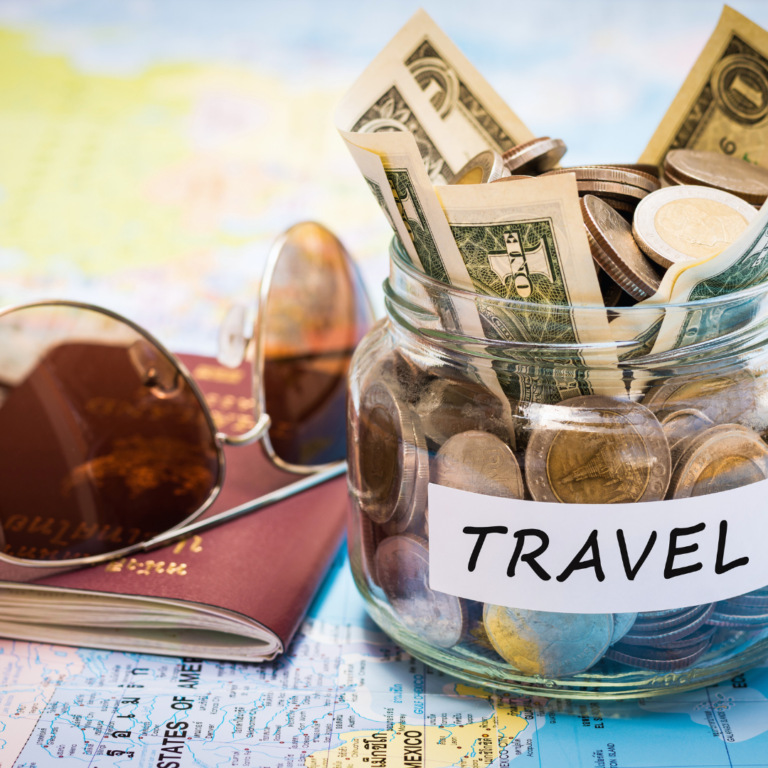

How to Travel Smart on a Limited Budget: Tips for Affordable Adventures
Traveling on a budget can seem daunting, but it is entirely possible with the right strategies. Those who plan and prioritize their spending can explore new destinations without breaking the bank. From choosing affordable accommodations to finding cost-effective dining options, every decision shapes the travel experience.
Explorers often find that flexibility can lead to the best deals. Opting for off-peak travel times and being open to various modes of transport can result in significant savings. Additionally, leveraging local knowledge and resources can help them uncover hidden gems that offer both culture and entertainment without a hefty price tag.
With careful planning and a few smart choices, it is feasible to enjoy fulfilling travel experiences on a limited budget. The key lies in being resourceful and proactive in seeking out opportunities that maximize value while minimizing costs.
Essential Strategies for Traveling Smart on a Limited Budget
To travel smart on a limited budget, several key strategies can significantly reduce costs. By effectively managing finances and planning ahead, travelers can stretch their funds further. Utilizing various tools and insights will help maximize savings while ensuring a pleasant travel experience.
Setting Your Travel Budget and Sticking to It
Establishing a firm travel budget is crucial. Travelers should outline all potential costs, including transportation, accommodation, meals, and activities.
Example Budget Breakdown:
- Transportation: $300
- Accommodation: $500
- Meals: $200
- Activities: $150
Using this breakdown, individuals can identify where adjustments are necessary. Setting limits on each category prevents overspending. Keeping track of expenses during the trip ensures adherence to the budget. Opting for cash can help control spending, reducing reliance on credit or debit cards.
Planning and Booking in Advance
Planning significantly enhances budget travel. Booking in advance allows access to lower rates on flights and accommodations. Websites like Hopper, Expedia, and Google Flights offer useful price comparison tools. Travelers should monitor prices to spot trends and secure the best deals.
Recommended Booking Timeline:
- Flights: 2-3 months ahead
- Hotels: 1-2 months ahead
Consider flexible travel dates to find cheaper options. Additionally, utilizing Google Flights Explore can help identify affordable destinations based on budget constraints.
Timing Your Trip for Maximum Savings
Timing is vital for budget-conscious travelers. Traveling during the off-peak season often leads to significant savings. Prices for flights and hotels decrease during less popular travel times.
Peak vs. Off-Peak:
| Destination | Peak Season | Off-Peak Season |
| Europe | June-August | September-March |
| Caribbean | December-April | May-November |
Additionally, booking flights for mid-week travel, such as Tuesday or Wednesday, can yield lower fares. Being flexible with travel dates can optimize savings.
Leveraging Travel Apps and Tools
Various travel apps streamline the planning process, making budget travel easier. Hopper helps track airfare trends and predict the best times to book flights. Google Flights provides customizable filters for finding the lowest prices.
Using rewards programs, like credit card rewards, can further reduce travel costs. Travelers should consider using cards with no foreign transaction fees and rewards points that apply toward travel expenses.
Utilizing shared expenses, such as accommodations through platforms like Airbnb or hostels, also makes traveling more affordable. By collaborating with fellow travelers, costs can be minimized effectively.
Maximizing Savings on Transportation
Saving on transportation can significantly enhance a travel budget. Smart choices in flights, public transport, and local options help stretch every dollar.
Finding Cheap Flights and Alternative Airports
To find cheap flights, travelers should use fare comparison websites like Skyscanner or Google Flights. These tools allow users to set alerts for price drops.
Flying into alternative airports often yields lower fares. For instance, flying into smaller airports near major cities can save money. Travelers should consider the cost of getting to the city center from these airports when reviewing options.
Booking flights well in advance or during off-peak seasons also helps secure better deals. Flexibility with travel dates allows for adjustments to capitalize on lower prices.
Smart Use of Public Transportation and Local Transit
Public transportation is vital for budget-conscious travelers. Metro systems and buses are typically more affordable than taxis or rental cars.
Many cities offer day passes for unlimited rides, leading to further savings. Riders should check for discounts on public transit cards or special tourism passes, which can include multiple transit options.
Getting familiar with local transit maps and schedules ensures efficient travel while minimizing unnecessary expenses. Investing time in understanding the system can save considerable amounts on transportation.
Choosing Cost-Effective Overland Options
For longer distances, choosing overland options like trains or overnight buses can be economical. Overnight travel helps save on accommodation costs while reaching the next destination.
Researching bus companies like Megabus or FlixBus may uncover affordable tickets. Trains, while sometimes pricier, can offer discounts for early booking or off-peak travel. Travelers should check for available travel rewards or loyalty points that can be used for additional savings on both buses and trains.
Utilizing Ride-Sharing and Bike Rentals
Ride-sharing services like Uber or Lyft can be convenient and sometimes cheaper than traditional taxi services. Planning rides during less busy hours often leads to more favorable rates.
Travelers should also consider utilizing ride-sharing apps for carpool services, which can split costs with others headed in the same direction.
Additionally, bike rentals present an affordable way to explore cities. Many urban areas provide bike-sharing programs with daily or hourly rates, promoting both budgeting and an enjoyable way to discover local sights.
Affordable Accommodation and Local Living
Finding affordable accommodations is essential for budget-conscious travelers. Embracing local living can enhance the travel experience while keeping costs low. Options range from hostels to house sitting, providing diverse choices to suit different preferences.
Choosing Budget-Friendly Lodging
Travelers often start with hostels and guesthouses when seeking budget-friendly lodging. Hostels typically offer dormitory-style rooms at low rates, making them ideal for solo travelers or those who don’t mind sharing space. Many hostels also provide amenities like free Wi-Fi and a communal kitchen, allowing guests to prepare meals and save money on dining.
Guesthouses, on the other hand, tend to be more private but still affordable. They often boast local charm and personalized service. Travelers should look for places that include breakfast or other perks to maximize savings.
Exploring Alternative Accommodations
In recent years, alternative accommodations have gained popularity among travelers looking for unique experiences. Airbnb provides a platform for booking entire homes or private rooms, often at competitive prices. This option allows travelers to live like locals, enjoying neighborhood insights not typically found in hotels.
Couchsurfing is another alternative that allows travelers to stay with locals for free. This experience not only saves money but also fosters cultural exchange and friendship. Guests should ensure they read reviews and communicate with hosts to ensure a comfortable stay.
Leveraging House Sitting and Home Exchanges
House sitting offers a mutually beneficial arrangement where a traveler takes care of someone’s home in exchange for accommodation. This option can significantly reduce costs while providing a home-like environment.
Home exchanges involve swapping homes with another traveler, allowing both parties to stay in a new location without any accommodation costs. Platforms dedicated to this service can facilitate secure arrangements, making it easier for travelers to find suitable matches. These options enhance the travel experience while keeping expenditures manageable.
Smart Ways to Save on Food, Activities, and Daily Expenses
Traveling on a budget doesn’t mean sacrificing enjoyment. By exploring local food options, utilizing free attractions, and adopting practical packing strategies, travelers can maximize their experiences without overspending.
Eating Like a Local and Cooking Your Meals
Eating like a local can significantly cut food costs. Travelers should seek out street food vendors or local markets, where authentic meals are often cheaper than dining at tourist restaurants. Popular street food items can usually be found at lower prices, allowing for diverse culinary experiences.
Travelers can also save by cooking their meals. Accessing local grocery stores enables them to purchase fresh ingredients affordably. Many accommodations offer kitchen facilities, making it easy to prepare meals. Sharing ingredients or meals with fellow travelers helps reduce costs and fosters connections.
Taking Advantage of Free and Low-Cost Activities
Numerous free activities are available in cities worldwide. Many locations offer free walking tours, allowing travelers to experience local culture without spending much. Public parks serve as a relaxing retreat and an opportunity for a picnic.
Free museums and cultural attractions often have designated days or hours when admission is waived. Researching these opportunities can lead to enriching experiences without any fees. Engaging in local festivals or community events can also provide unique insights at no cost.
Essential Packing and Money-Saving Hacks
Packing light is vital for maintaining a budget. Travelers should prioritize carry-on luggage to avoid extra fees and delays. A well-planned packing list includes versatile clothing and essentials like a refillable water bottle. Staying hydrated and eliminating the need for purchased drinks saves money and reduces waste.
It’s also helpful to bring reusable bags for shopping. This simple act can minimize costs while supporting eco-friendly practices. By packing thoughtfully, travelers can ensure they have what they need without the burden of excess baggage.