
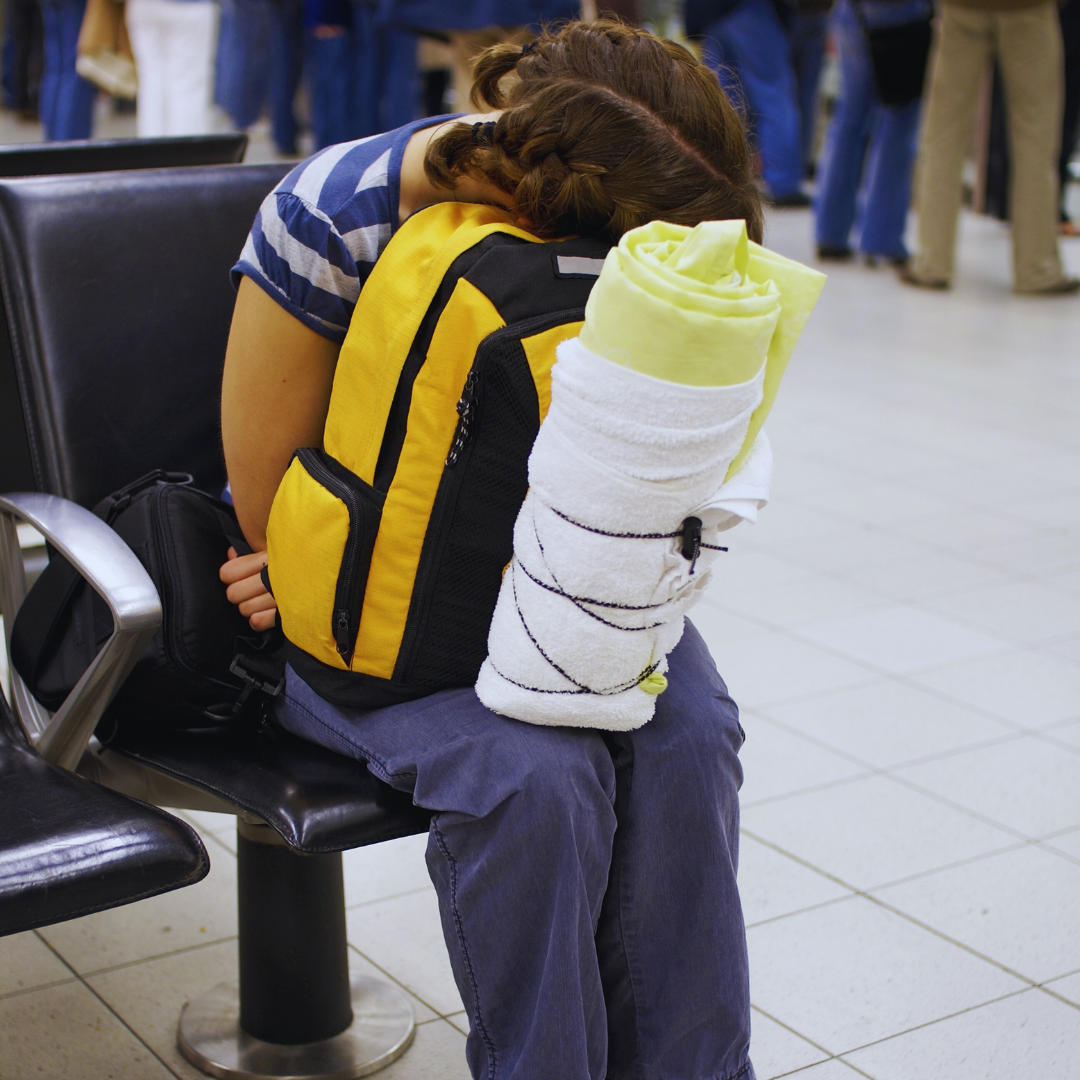
How to Deal with Travel Fatigue and Burnout: Effective Strategies for Rest and Recovery
Travel can be an exhilarating experience, but it often comes with a hidden cost: fatigue and burnout. Many travelers find themselves struggling to keep up with packed itineraries and constant movement. Taking intentional breaks and practicing self-care is essential to combatting travel fatigue and ensuring that the experience remains enjoyable.
Recognizing the signs of travel burnout is the first step in addressing it. Often, overly ambitious plans lead to physical and mental exhaustion, detracting from the joy of exploration. By prioritizing rest and integrating downtime into travel schedules, individuals can recharge and fully appreciate their adventures.
Furthermore, mindfulness techniques, such as meditation and deep breathing exercises, can significantly help in managing stress while traveling. By fostering a balanced approach to itineraries and incorporating moments of tranquility, travelers can navigate through fatigue and rediscover the pleasure of their journey.
Understanding Travel Fatigue and Burnout
Travel fatigue and burnout can significantly affect an individual’s well-being during and after trips. Recognizing the signs and identifying the underlying causes is essential for managing both mental and physical health while traveling.
Recognizing the Signs of Burnout
Burnout can manifest through various symptoms. Common indicators include:
- Exhaustion: Persistent fatigue that doesn’t improve with rest.
- Irritability: Increased frustration and a shorter temper.
- Reduced Performance: Difficulty concentrating or completing tasks.
Emotional exhaustion may lead to feelings of detachment from experiences. Travelers might feel indifferent about activities they usually enjoy. Anxiety about upcoming plans or returning home can also arise. Recognizing these signs early is crucial for addressing potential burnout.
Identifying the Causes of Travel Fatigue
Several factors contribute to travel fatigue. Frequent changes in the environment can disrupt sleep patterns and lead to physical exhaustion. Long travel times and poor meal choices may exacerbate stress on the body.
Other causes include:
- Lack of downtime: Continuous planning and activities often result in little time for relaxation.
- Social pressures: Expectations to maximize experiences can lead to stress and anxiety.
Addressing these factors can help maintain mental health and improve overall travel experiences. Recognizing and managing the causes reduces the risk of burnout.
Strategies for Prevention and Recovery
To effectively prevent and recover from travel fatigue and burnout, incorporating self-care, maintaining a healthy lifestyle, and prioritizing quality sleep are essential. These strategies can significantly enhance well-being and energy levels during travel.
Incorporating Self-Care into Your Routine
Self-care is crucial for mitigating travel fatigue. Establishing a routine that includes regular relaxation techniques, such as meditation or yoga, can help maintain mental clarity.
Creating daily rituals like a morning stretch or evening winding-down session fosters consistency.
During travel, individuals should schedule breaks for self-care. Simple actions like reading a book or enjoying a quiet moment can recharge energy levels.
A focus on hydration is also essential; drinking sufficient water combats fatigue. Making time for these practices can lead to improved emotional and physical recovery.
Cultivating a Healthy Lifestyle on the Road
Maintaining a healthy lifestyle while traveling is vital. Choosing nutritious meals can significantly impact energy and mood. Opting for whole foods, such as fruits, vegetables, and lean proteins, helps sustain energy.
Physical activity should remain a priority. Simple exercises, like walking or short workouts, can easily fit into travel plans.
Incorporating local activities, such as hiking or biking, also enhances enjoyment while promoting fitness.
Staying engaged in these practices increases overall well-being and decreases the likelihood of burnout.
The Importance of Quality Sleep and Rest
Sleep deprivation can severely impact travel experiences. Prioritizing quality sleep is crucial for recovery. Creating a comfortable sleep environment, even in unfamiliar places, helps.
Utilizing tools such as eye masks and earplugs can facilitate better rest. Scheduling naps when necessary allows for recovery during long travel days.
Establishing a consistent sleep schedule helps regulate the body’s natural rhythms.
Ensuring adequate rest bolsters energy levels and improves mood, making travel more enjoyable and sustainable.
Practical Tips and Alternatives for Sustainable Travel
Sustainable travel emphasizes experiences that are enriching and restorative, allowing for a deeper connection with destinations. By adopting certain strategies, travelers can enhance their journeys while minimizing fatigue and promoting well-being.
Embracing the Slow Travel Movement
The slow travel movement encourages travelers to take their time, promoting deeper connections with destinations. Instead of rushing through itineraries, she can immerse herself in local cultures by spending extended time in one area.
This approach often results in more meaningful interactions and a better understanding of the locale. Incorporating walking tours or cycling explores nearby attractions at a leisurely pace. For instance, utilizing local transportation or walking instead of driving mitigates stress and fosters a healthier travel experience.
Exploring Volunteer Opportunities
Engaging in volunteer opportunities provides travelers with a unique way to give back while experiencing new environments. These positions often cater to varied interests, such as wildlife conservation or community development.
Volunteering as a digital nomad can blend work and purpose. Platforms like Workaway or WWOOF connect individuals with host organizations. Participants may find accommodations in exchange for a commitment of hours, allowing them to immerse in local culture while reducing accommodation costs.
Choosing Accommodation Conducive to Relaxation
Selecting the right accommodation plays a crucial role in mitigating travel fatigue. Options like boutique hotels, hostels, or unique Airbnb listings often offer environments that prioritize comfort and relaxation.
For instance, properties that emphasize eco-friendliness or holistic wellness services might provide features such as yoga sessions or serene gardens. A tranquil setting allows for moments of reflection and rejuvenation, enhancing overall travel experiences. Researching reviews can help identify accommodations known for their restful atmospheres and convenient locations, further supporting a healthy lifestyle while traveling.
Dealing with Specific Travel-Related Physical Issues
Travel often leads to physical challenges that can hinder enjoyment or even impact health. Addressing these issues early can improve overall travel experiences and contribute to well-being.
Combatting Jet Lag and Motion Sickness
Jet lag results from disruptions to the body’s circadian rhythm. To alleviate this, adjusting sleep schedules several days before traveling can be beneficial. Exposure to natural light upon arrival helps reset the body clock.
For motion sickness, strategies like focusing on a stable horizon or using acupressure wristbands can provide relief. Ginger tea or peppermint candies are effective home remedies to soothe nausea. Staying hydrated during travel is crucial as dehydration can exacerbate these symptoms.
Ensuring Proper Nutrition and Hydration
Maintaining proper nutrition is vital during travel. Healthy meals rich in fruits and vegetables can provide necessary vitamins and minerals. Snack options like nuts or whole grain bars help sustain energy levels without relying on comfort food.
Hydration plays an equally important role. It’s recommended to drink water regularly, especially during long flights. Avoid excessive caffeine and alcohol, as these can contribute to dehydration. Keeping a refillable water bottle handy can encourage consistent water intake.
Counteracting Physical and Emotional Exhaustion
Physical and emotional exhaustion can arise from long trips and insufficient sleep. Regular movement is essential; walking or stretching helps reduce stiffness and fatigue. It’s also important to pamper oneself with restorative activities, such as massages or quiet moments to relax.
Dealing with travel blues often requires self-compassion. Acknowledge feelings of homesickness and allow time to adjust. Prioritizing sleep is crucial; consider short naps if nighttime rest is inadequate. This proactive approach helps combat exhaustion and enhances the travel experience.


