
Tips for Making the Most of Layovers: Maximize Your Travel Experience
Layovers can often feel like a frustrating interruption in travel plans, but they can also serve as an unexpected opportunity to explore new destinations. Making the most of layovers can enhance the travel experience by transforming downtime into memorable adventures. With a bit of planning and curiosity, travelers can discover local attractions, enjoy new foods, or simply relax in a comfortable setting.
Many airports are equipped with amenities that can turn layovers into enjoyable experiences, offering lounges, spas, and shopping. Researching the layover city beforehand can reveal popular sights, dining spots, or cultural experiences that fit within the available time. Even short layovers can allow travelers to step outside and enjoy a glimpse of a new place.
Travelers should keep an eye on their flight schedules while staying flexible. Understanding layover durations and airport logistics is key. By being prepared and open to new experiences, any layover can become a highlight of the journey.
Planning Your Layover
Effective layover planning can enhance travel experiences significantly. By understanding layover durations, researching airport facilities, and checking visa and transit options, travelers can make the most of their time during transfers.
Understanding Layover Duration
The duration of a layover plays a crucial role in travel plans. Long layovers, often exceeding five hours, provide ample time to explore the surrounding area or relax at the airport. In contrast, short layovers usually last under two hours, limiting options.
Travelers should consider connection times and allow for potential delays. Airlines often specify minimum layover times for international and domestic flights. A wise traveler gives themselves more time than required to manage security checks and navigate between terminals.
Researching Airport Facilities
Airport facilities can significantly affect a traveler’s layover experience. Most international airports offer amenities such as lounges, restaurants, and shopping areas. They also provide luggage storage services, allowing travelers to explore without heavy bags.
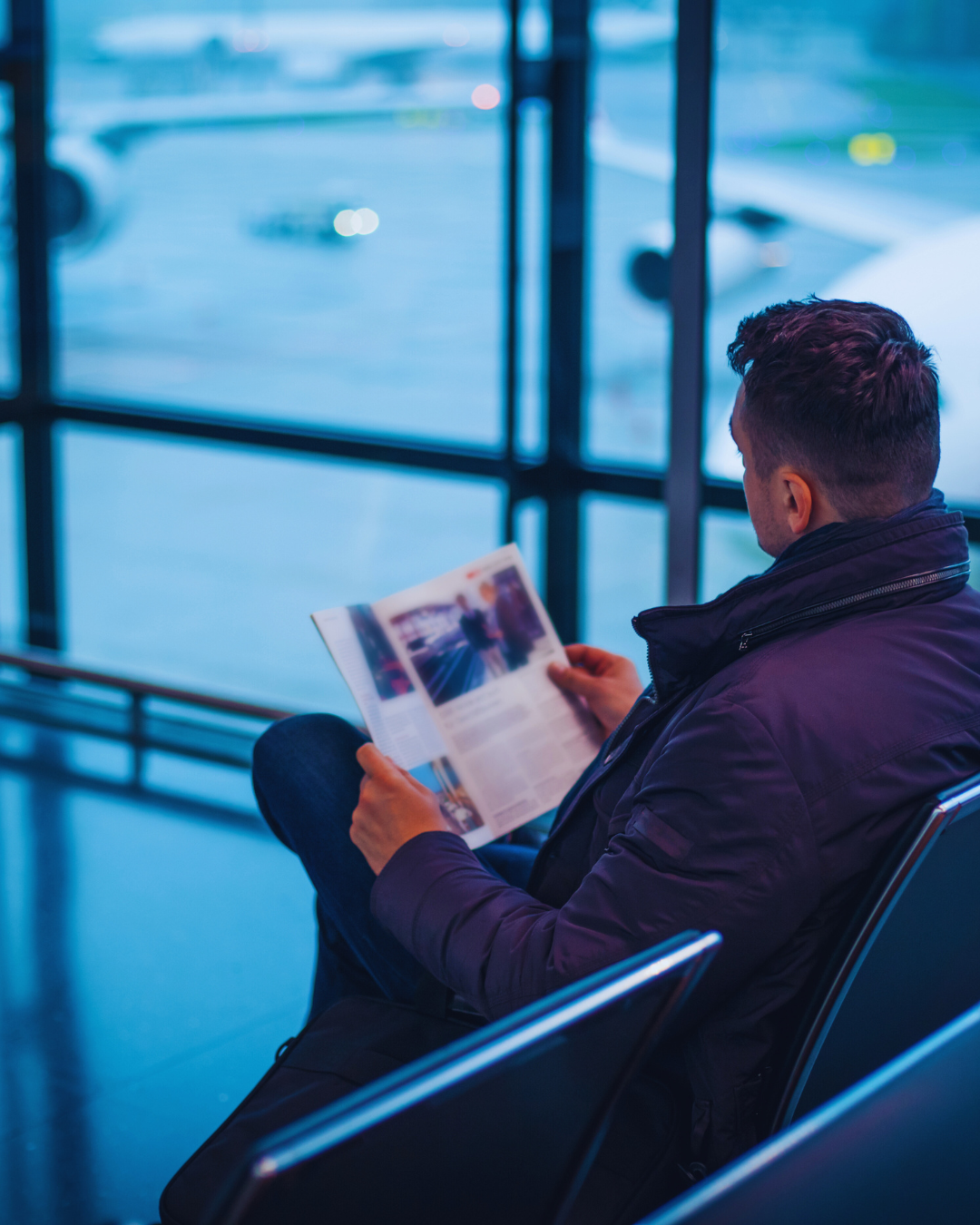
While waiting at your gate or terminal, take a moment to look out the window – you’ll often notice a network of signs, lights, and markings on the runways and taxiways. These aren’t just for show; they’re part of a global safety system that every airport must follow to help aircraft move safely on the ground. From stop bars to hold short lines, each element plays a role in preventing accidents and ensuring smooth operations. To learn more about what these markings mean and how they function, you can visit site here for a simple breakdown.
Many airports also feature relaxation zones and charging stations, catering to varied needs. Researching these facilities in advance helps travelers optimize layover time. Checking airport maps can ease navigation, particularly in larger airports with multiple terminals.
Checking Visa and Transit Options
Transiting through certain countries may require a visa, impacting layover plans. Travelers should verify visa requirements before their journey to avoid complications. A transit visa might be necessary even for short layovers if the traveler must leave the airport.
Understanding visa regulations for each destination can prevent unexpected delays. It is prudent to check the specific transit options and protocols, including any necessary approval processes. For those traveling on behalf of their company or relocating for work, it may also be important to apply for visas for foreign professionals to meet both transit and destination entry requirements. By planning, travelers can ensure a smoother experience during layovers.
Maximizing Comfort and Convenience
Travelers can transform a long layover into a rewarding experience by prioritizing comfort and convenience. Accessing airport lounges, utilizing rest services, and staying hydrated are essential strategies for improving the layover experience.
Accessing Airport Lounges
Airport lounges offer a serene escape from busy terminal areas. Many lounges provide comfortable seating, complimentary snacks, and high-speed Wi-Fi. Travelers can access these lounges through memberships like Priority Pass or by purchasing a day pass.
Some lounges may even feature charging stations for electronic devices. For those flying in business or first class, access may be included. With quiet atmospheres and amenities like showers, lounges can enhance comfort significantly, making them a worthwhile consideration during long waits.
Utilizing Rest and Refresh Services
Many airports now offer specialized services focused on rest and refreshment. Facilities like yoga rooms and massage services allow travelers to unwind. This can help alleviate stress and fatigue before the next flight.
Additionally, some airports feature fitness centers for travelers wanting to get some exercise. Others may provide designated rest areas with reclining chairs or nap pods. Utilizing these services can maximize comfort and rejuvenate travelers after hours of transit.
Staying Hydrated and Recharged
Staying hydrated is crucial during long layovers. Airports often provide water stations for travelers to refill their bottles. Drinking water not only helps maintain energy levels but also aids in preventing travel-related fatigue.
Travelers should consider buying light, nutritious snacks to maintain their energy. Options like fruit, nuts, and granola can be found in shops throughout the airport. By prioritizing hydration and healthy snacks, travelers ensure they remain refreshed and alert for their next journey.
Exploring and Shopping
Layovers can be an excellent opportunity for travelers to experience a new city and indulge in shopping. Efficient exploration can maximize time while discovering local attractions, cuisine, and unique products.
Taking a Local Excursion
Travelers often overlook the potential of a layover for a quick city tour. Many airports offer organized excursions that allow for a brief yet enriching experience. It’s advisable to research local attractions beforehand to choose what suits individual interests.
Using public transportation can be a cost-effective way to reach the city center. Buses and trains from the airport are typically reliable. For those with short layovers, itineraries should focus on nearby landmarks to ensure a timely return.
Duty-Free Shopping Strategies
Duty-free shops provide travelers with the chance to buy products tax-free, often leading to significant savings. Researching prices in advance helps determine whether shopping at the airport is worthwhile.
To maximize the shopping experience, travelers should prioritize items that are either exclusive to the region or significantly cheaper than prices elsewhere. Brands often release limited-edition products in duty-free locations, making these shops a treasure trove for unique finds.
Sampling Local Cuisine
A layover is a perfect time to savor local cuisine. Many airports now feature food courts showcasing a variety of regional dishes. Cooking styles and ingredients can give travelers insight into the culture.
Dining at airport restaurants or nearby establishments can enhance the experience. Travelers should consider trying signature dishes or local specialties that reflect the destination’s culinary traditions. For a more immersive experience, they may explore food tours or street food hubs if time permits.
Dealing with the Unexpected
Travel can be unpredictable, and unexpected events such as flight delays or cancellations can disrupt plans. Being prepared for these scenarios helps maintain a positive experience during layovers.
Managing Flight Delays and Cancellations
Flight delays and cancellations are common, especially on long-haul flights. It’s essential to stay informed about the flight status. Checking airline apps or websites provides real-time updates. Meanwhile, setting alerts can help track changes seamlessly.
When faced with a cancellation, travelers should immediately contact their airline. Airline representatives can assist in rebooking and may provide meal or hotel vouchers. Keeping important documents and confirmation numbers handy can expedite the process.
In case of extended delays, exploring the airport can relieve stress. Many airports offer lounges or quiet areas for relaxation. Engaging in conversations with fellow travelers can lead to new travel experiences and provide support during stressful situations.
Adapting to Last-Minute Changes
Last-minute changes can arise for various reasons. Flexibility becomes vital when dealing with unexpected itinerary shifts. It’s helpful to have a backup plan ready before traveling. Knowing alternative routes or accommodations ensures smooth transitions.
Travelers should also familiarize themselves with the airport layout. Understanding boarding gates, lounges, and food options can save time. Staying calm and composed allows for better decision-making during stressful moments. Approaching changes with a positive mindset enhances the travel experience. It opens the door to discovering new opportunities. This adaptability enriches journeys and contributes to resilience in navigating challenges.


